Assignment 2
Include an explanation of the principles of effective communication.
Definition of effective communication
“A two way information sharing process which involves one party sending a message that is easily understood by the receiving party. Effective communication by business managers facilitates information sharing between company employees and can substantially contribute to its commercial success.” (businessdictionary.com)

Electronic book page 15 – 18
The Communication Process
The 6 steps of the Communication Process

General Communication Skills
Communication processes need an audience to communicate the message to. The success of the message will be determined by:
Communication processes need an audience to communicate the message to. The success of the message will be determined by:
Cultural differences e.g. Christian V Arab – when communicating with people you have to take into account for any differences between you and the audience as some words or gestures that seem meaningless to you, other people from different cultures may find these insulting or stupid.
Adapting to suit an audience – one of the most important parts of communications is adapting to the people that are around you when you are communicating. One example would be that children are less likely to understand if you only speak using big words and terms that older people understand and adults would understand if you speak using words or terms that were made for children.
Interpersonal Communication Skills
If people are going to try to communicate the at least two people will need to take part. One person will use different methods to try to convey a message to the others while they use different methods to try and understand the message.
Negative language – this type of language can have a bad affect when communicating such as making the person delivering the message believe that they are being dull and not very interesting and can have a bad affect on them, but sometimes it can be used to help get your point across.
Active Engagement – this way of communicating normally starts when communicating one person speaks and the other listens while given some sign that he is paying attention, such as nods or facial expressions. This can also be invoked by ending your part of speaking with something similar to “what do you think” and “your opinion would be”.
Written Communication Skills
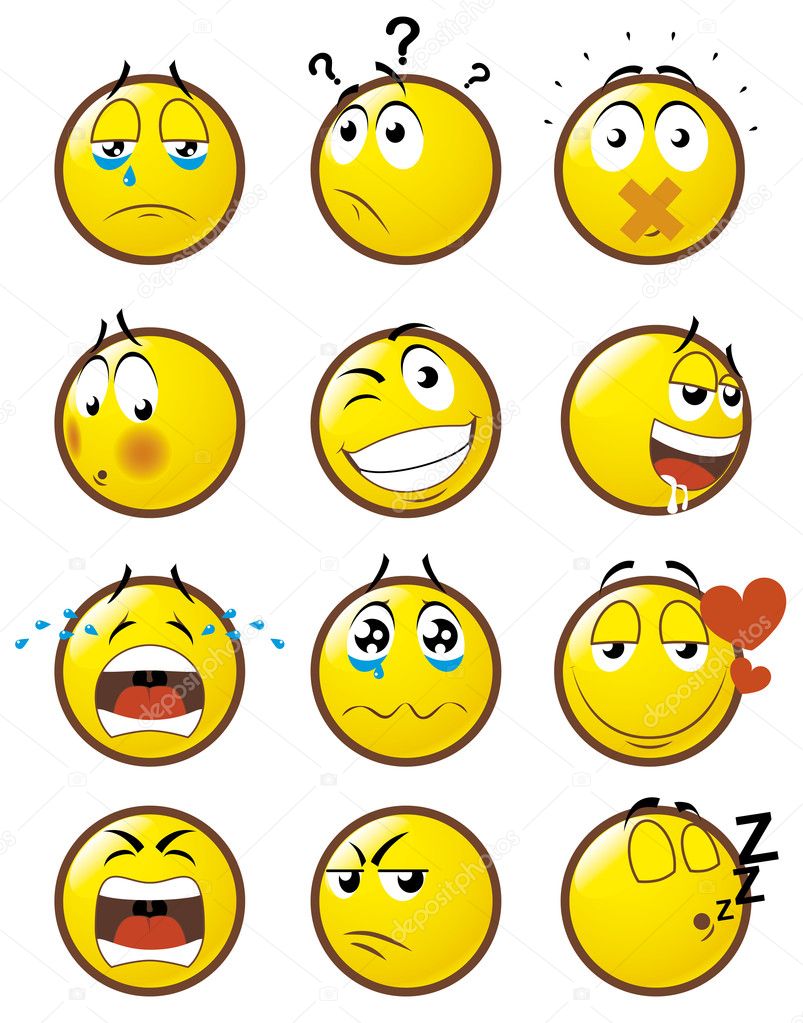
Smileys or Emoticons – Emoticons are small pictures that are used on places such as social networking sites to express emotions, true to their name as well as make conversations lighter. This is not a good thing to use if the conversation is a serious one such as a business meeting and other things along those lines.
Grammar and Spelling – This is extremely important during written communication as it is the main way of actually communicating with. It is very important to check your own work when you finish a written speech in order to find spelling mistakes. The reason for this is because there are some words that have a similar spelling but mean different thing, and vice versa. This can make some occasions of communicating very confusing.
Bibliography
Books:
Anderson et al “Information Technology Level 3 Book 1 Btec National” Pearson 2010
Websites:


No comments:
Post a Comment